
Drain jetting can reduce bad smells when accumulated waste or a partial blockage is the source. It will not correct a dry trap, failed seal, ventilation fault or damaged pipe simply by washing the drain. Finding where the odour enters the property is the first step towards a lasting solution.
Work out whether the smell comes from the drain
An odour noticed while using a tap can appear to come from the water when its source is the plughole below. The Drinking Water Inspectorate advises comparing a glass of water in another room: if the smell disappears, the sink or drainage may be responsible. Contact the water company if the water itself has a new unpleasant taste or smell. Source: Drinking Water Inspectorate.
Note whether the odour comes from one fixture, follows a toilet flush or becomes stronger near an outside drain. This information helps separate a local fitting problem from an issue further along the system. Describing every smell as a blockage can lead to cleaning the wrong place.
When retained waste makes jetting useful
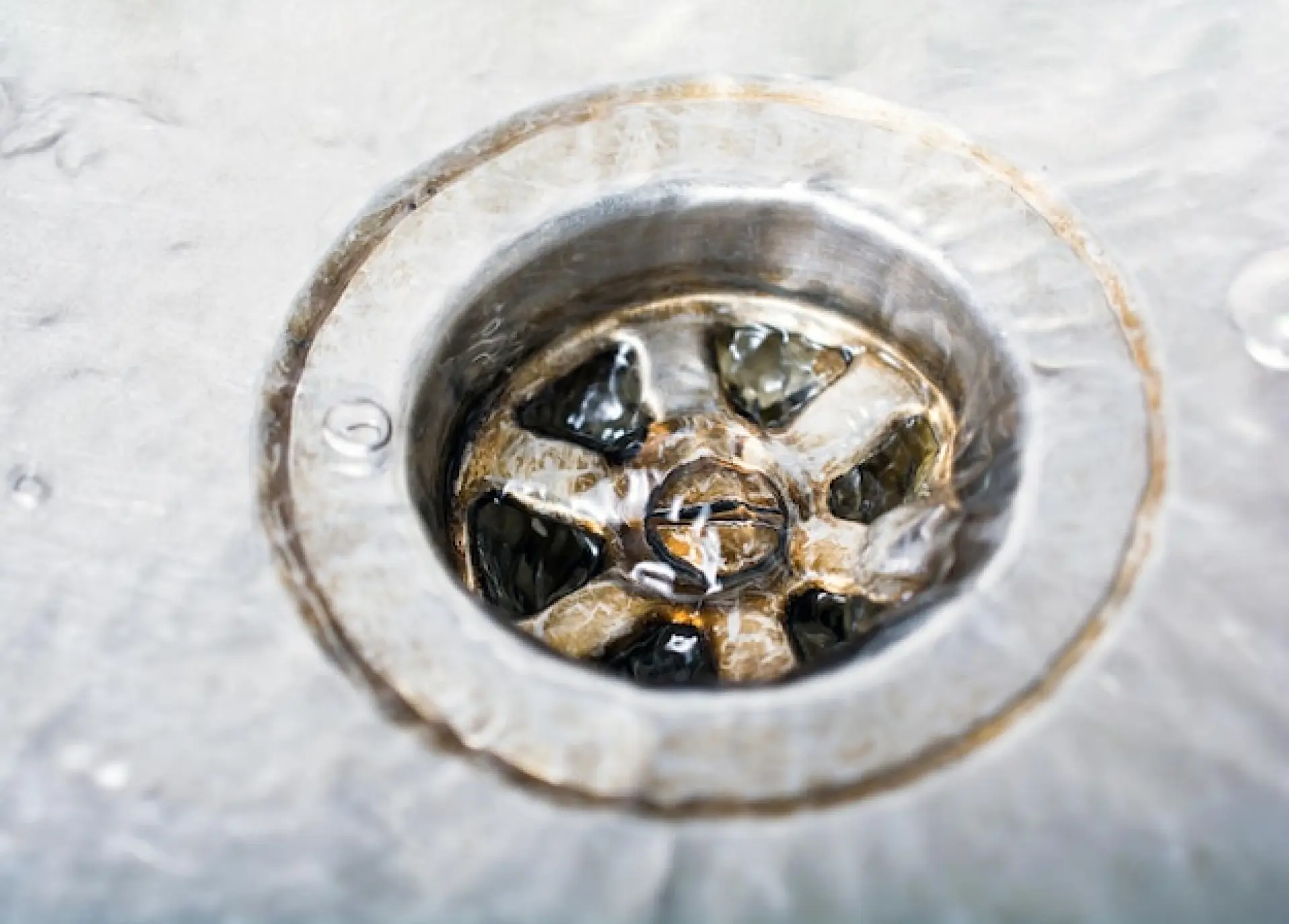
Greasy deposits and trapped food waste can produce unpleasant odours while restricting flow. Where an engineer confirms suitable pipework and a removable accumulation, jetting can clean the affected surfaces and transport waste away. This addresses a physical source of the smell rather than cover it with a fragrance.
Thames Water reported in December 2025 that fats, oils and grease caused more than 20,000 annual blockages on its network, representing 28% of its sewer blockages. Those figures are not the proportion of household smells caused by grease. Source: Thames Water.
A dry trap needs its seal restored
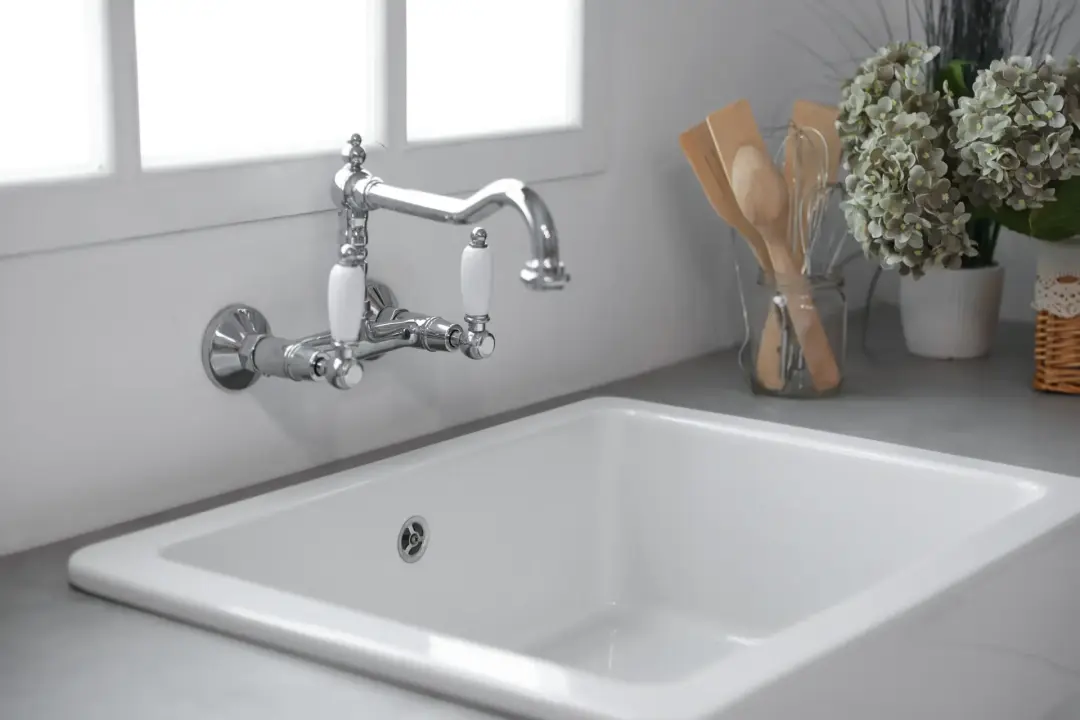
Conventional plumbing traps retain water to separate the room from gases in the drainage system. A rarely used floor drain, shower or basin can lose that seal through evaporation. Jetting the external drain does not automatically replenish or maintain the water in every internal trap.
Where appropriate, using the fixture can restore the seal, but repeated loss needs investigation. The trap could be leaking, the installation may have a ventilation problem, or another discharge could disturb the seal. A plumber should assess recurring symptoms rather than leave the household to keep masking them.
Damaged seals and ventilation need another repair
A defective toilet connection, poorly sealed waste joint or ventilation fault can allow odours into a room even when wastewater flows normally. The smell may appear after an appliance discharge or under particular weather conditions. Cleaning can leave the underlying route into the property unchanged.
Wavin's plumbing guidance explains the role of traps in preventing sewer gases entering occupied spaces and notes problems associated with conventional traps drying out. Trap and fitting checks therefore matter alongside a drain investigation. Avoid removing fittings or interfering with ventilation as an improvised remedy. Source: Wavin, indoor plumbing guidance.
Investigate odours that return after cleaning
If the smell improves briefly and then returns, record the delay and the fixtures used. A recurrent deposit may form at a damaged joint or low section. CCTV after appropriate clearance can show visible defects and retained material, although other tests may be needed for hidden leakage.
Ask what was found, where the clean reached and whether another inspection is recommended. A statement that jetting was completed does not explain every continuing odour. The next visit should test the remaining possibilities, rather than repeat the same treatment without new evidence.
Choose action from the symptoms
A local smell with normal drainage suggests checking the fixture and trap first. Smells with slow drainage or repeated backups justify assessment of the connected pipework. Wastewater escaping into rooms or outdoor areas requires prompt attention and measures to prevent contact with contamination.
Avoid combining cleaning products or repeatedly pouring chemicals into a drain that has not been diagnosed. Tell any attending contractor what has already been used. Professional jetting involves hazardous equipment and contaminated material, so it should be controlled by a competent operator rather than attempted with an improvised attachment.
Summary
Jetting helps when it removes the waste causing the odour; other faults need their own repair. Ask Clenston Ltd to investigate the drainage symptoms and advise whether cleaning or a different intervention is required.