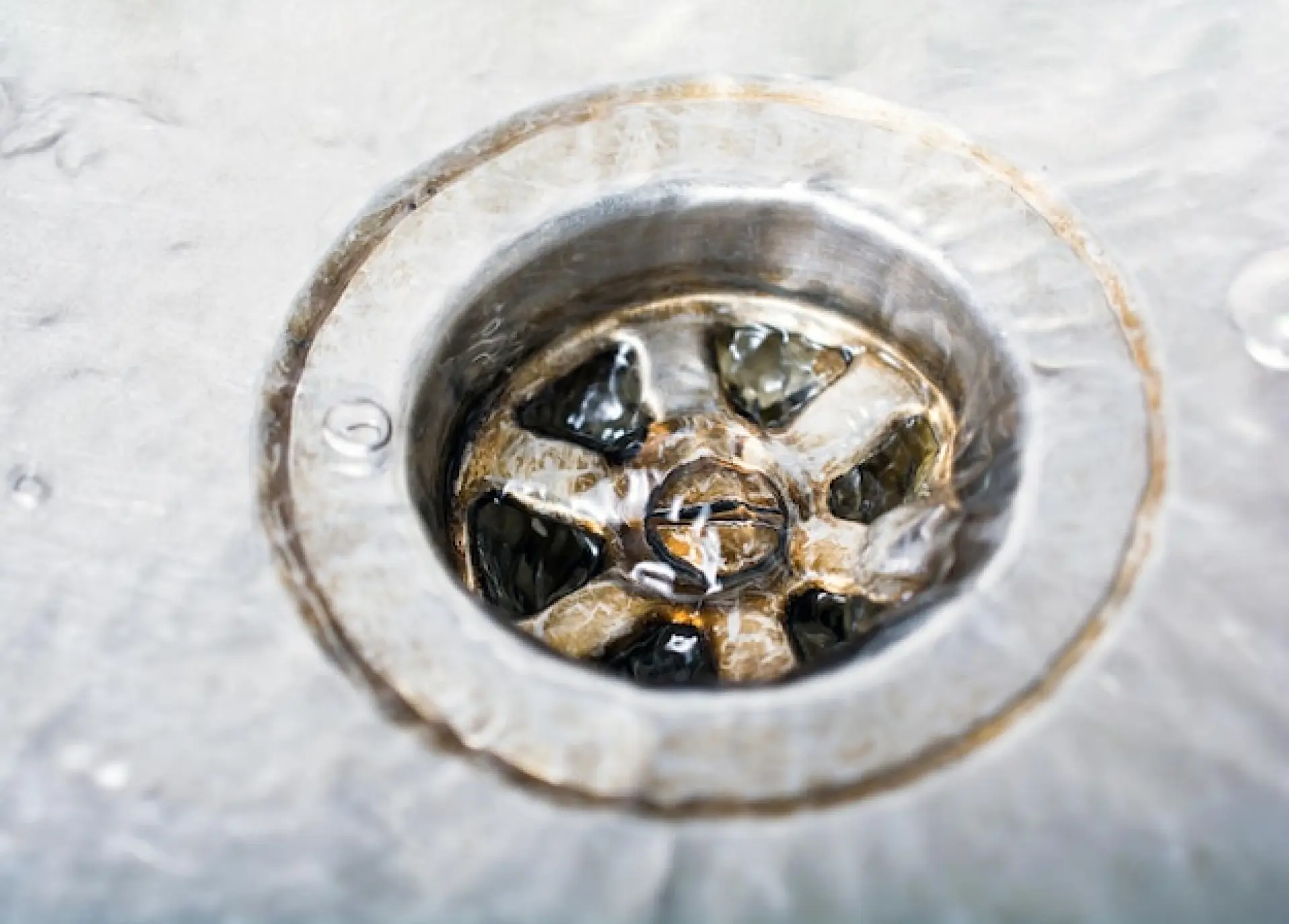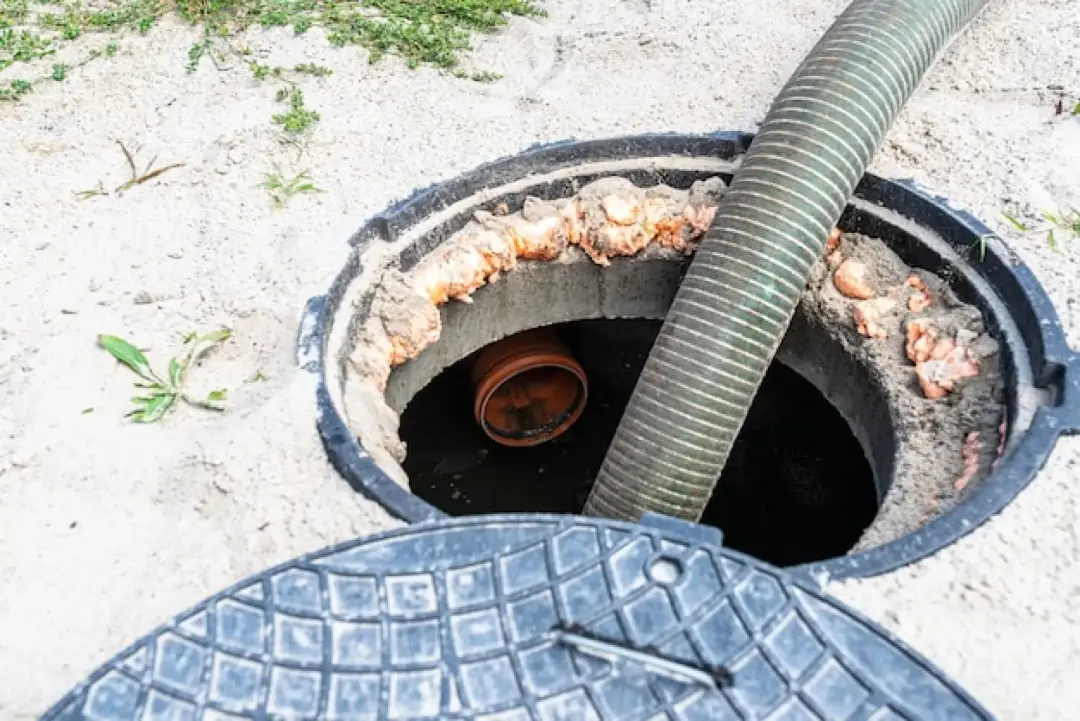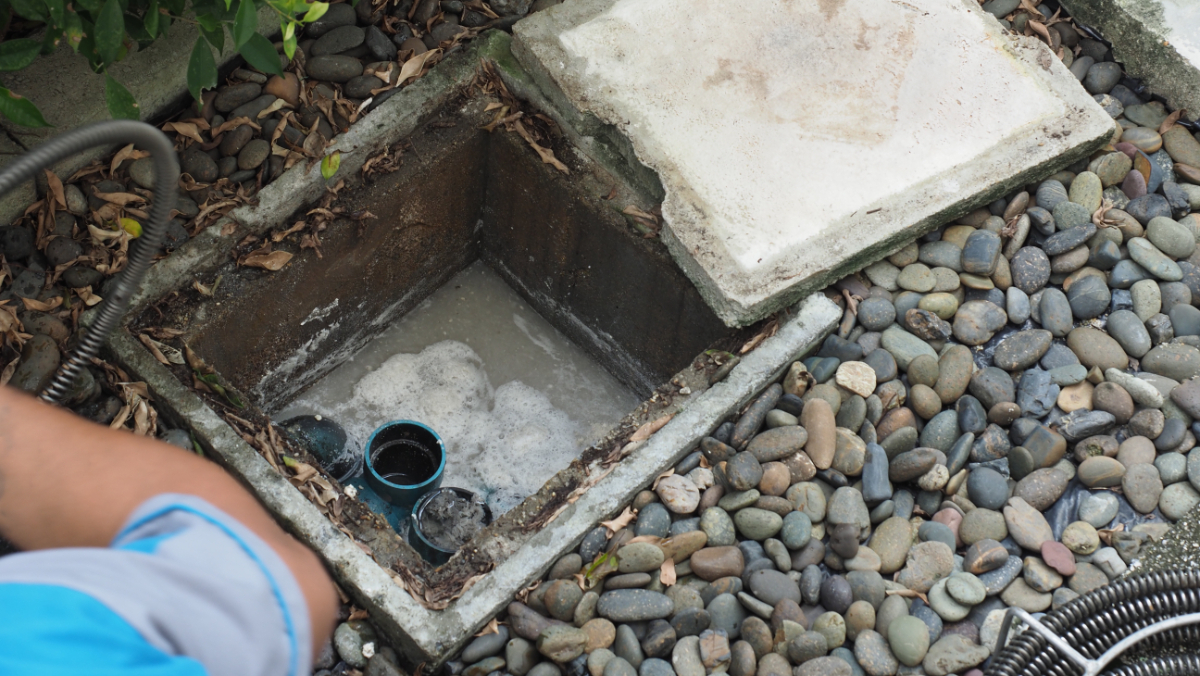

Drain jetting tackles fatty deposits by using controlled water jets to break material away from the pipe wall and move loosened waste towards an appropriate removal point. Sludge also needs transporting out of the affected section. Effective cleaning depends on flow, nozzle selection and waste handling, rather than pressure alone.
Understand what is coating the pipe
Fat, oil and grease often arrive as warm liquids or residues from washing up. Inside the drainage system, they can collect with food particles and other debris. The resulting deposit narrows the usable bore and creates a surface that catches more material with each discharge.
Sludge is a broader description for settled or suspended material. It can include fine sediment and organic waste rather than only kitchen fat. Understanding what is present helps the engineer choose a cleaning method; a soft greasy coating and a dense accumulation of grit do not necessarily respond to the same setup.
Water flow moves what the jets loosen
Nozzle jets act on the deposit while water carries released material along the drain. The engineer selects equipment to suit the pipe and the cleaning objective. A setup that makes a small passage through a deposit may restore flow temporarily while leaving much of the coating behind.
This is why a professional clean should consider the whole affected section. Access, bends, diameter and downstream condition influence how the hose can travel and where waste can be recovered. More pressure is not automatically better, particularly where pipework is damaged or its condition is uncertain.
Heavy sludge may need recovery as well
Large volumes of material should not simply be displaced into the next restricted section. Depending on circumstances, the contractor may remove debris at a chamber or use vacuum equipment. Waste handling needs to form part of the plan, especially where a drain holds substantial settled material.
United Utilities describes using high-pressure jets to break down fatbergs before removing the material or moving it appropriately through its network. A private drain is a different scale of job, but the distinction matters: breaking a deposit up and dealing with released waste are separate tasks. Source: United Utilities, fatberg guidance.
A recent measure of grease prevention
In December 2025, United Utilities said its work with food businesses and fat traps had kept almost 1,500 tonnes of fats, oils and grease out of North West drains over the preceding year. This is a prevention figure, not the quantity removed by jetting. Source: United Utilities, December 2025.
The figure reinforces the importance of preventing new deposits after clearance. Cleaning can remove an existing restriction, but continued disposal of cooking waste into the sink supplies the ingredients for another one. For a food business, maintaining interception equipment is part of keeping the drain usable.
Check why material accumulated there
A pipe that repeatedly retains sludge may have a low section, inadequate fall or an obstruction that catches waste. Jetting can clean that section without correcting its geometry. CCTV after cleaning can help establish whether the remaining issue concerns the pipe itself rather than the material removed.
Ask for the location of any repeated accumulation and the engineer's observations about flow. Where evidence supports a repair, obtain a separate specification explaining what it will change. Relining may seal a defect but should not be presented as a way to raise a sunken pipe into the correct fall.
Make the clean part of a prevention plan
For households, scrape grease into an appropriate container once cool and keep solid food waste out of the sink. For catering premises, check that grease-management equipment matches the operation and is emptied and serviced as required. Keep disposal and maintenance records where these form part of the business's controls.
Set future inspection or cleaning intervals from actual use, previous findings and the rate of recurrence. A busy food preparation site and a lightly used domestic kitchen place different demands on their drains. Review the interval if symptoms change instead of repeating a routine that no longer controls the problem.
Summary
A thorough grease and sludge clean needs to detach deposits, remove the released material and identify why it collected. Clenston Ltd can assess the affected drainage and recommend a practical cleaning approach for your property.