
Repeated blockages, several slow fixtures or unexplained wastewater outside can justify a CCTV drain survey. The camera helps distinguish a removable obstruction from damaged pipework, so the next step addresses the cause. A single slow sink, however, may only need its trap or local waste pipe checked first.
Blockages that return after clearance
A drain that works briefly after unblocking and then backs up again deserves investigation. Clearing a passage through debris does not necessarily remove deposits along the pipe wall. A displaced joint, root entry or a low section can also keep catching waste, even when water initially runs away.
Record when the problem returns and what was being used at the time. A kitchen sink that slows after washing up suggests a different starting point from a toilet that backs up whenever the bath empties. Tell the engineer about previous treatments and any drain chemicals used; this helps them plan the inspection safely.
Several fixtures draining slowly together
When the shower, toilet and sink struggle at the same time, the restriction may sit beyond their individual connections. Bubbling or gurgling can accompany disturbed airflow, but the sound alone cannot identify a collapsed pipe. The pattern across the property matters more than any one noise.
A camera inspection may follow initial clearance because cloudy standing water can obscure the lens. Ask which runs were inspected and whether any remained inaccessible. A survey of the accessible kitchen branch is not evidence that every underground pipe has been checked.
Smells that persist after local cleaning
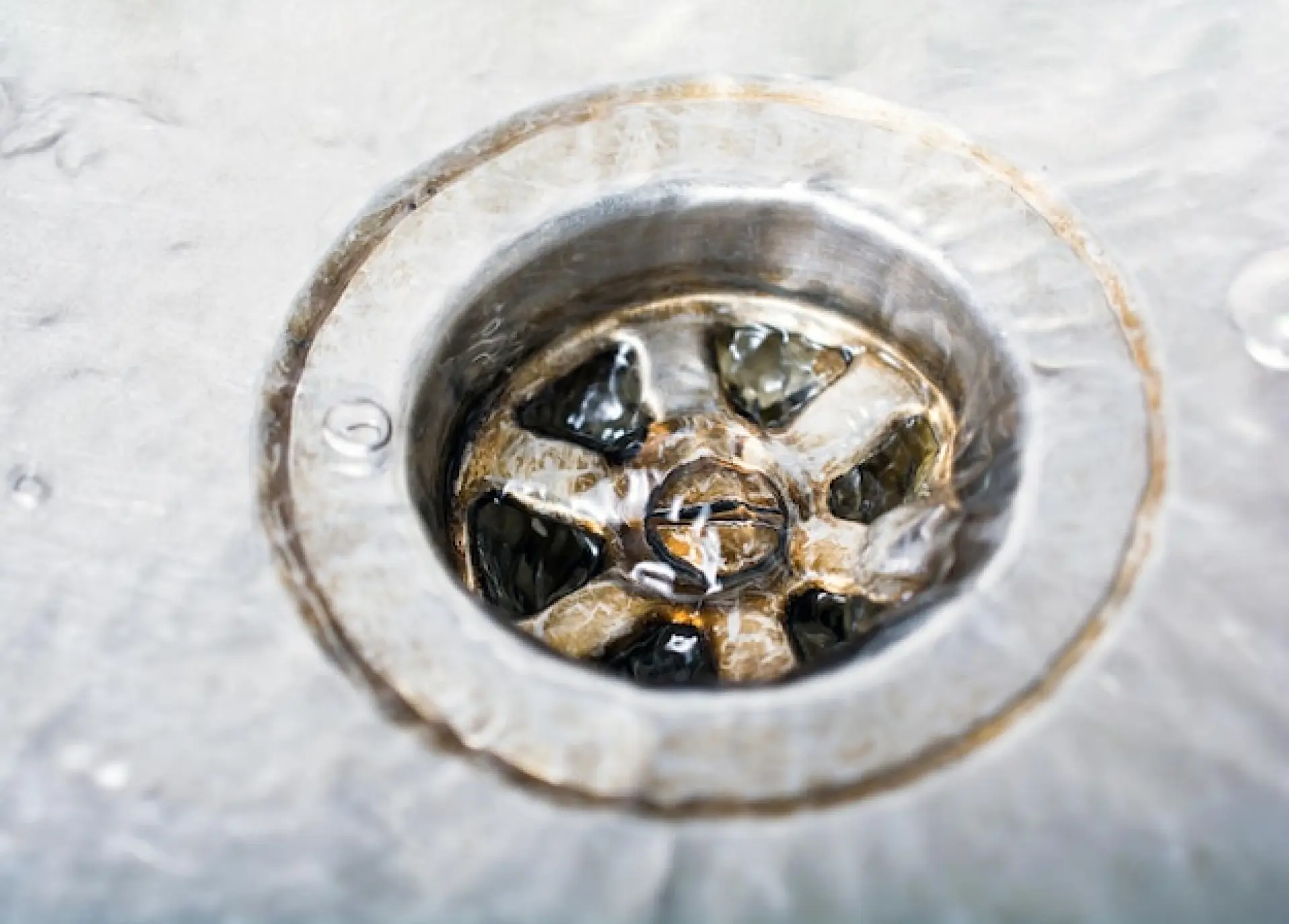
A dirty plughole, dry trap or faulty fitting can produce odours without an underground drainage defect. Identify whether the smell comes from one appliance, a floor drain or an external chamber. Check whether a rarely used fixture has lost its water seal before assuming jetting or excavation is necessary.
Persistent smells alongside recurring blockages give an engineer stronger grounds to investigate the drain itself. CCTV can reveal retained waste, open joints and visible damage. It does not replace checks of ventilation, seals and above-ground plumbing, and it cannot prove every hidden leak simply by recording a pipe interior.
Unexplained wet ground or sinking paving
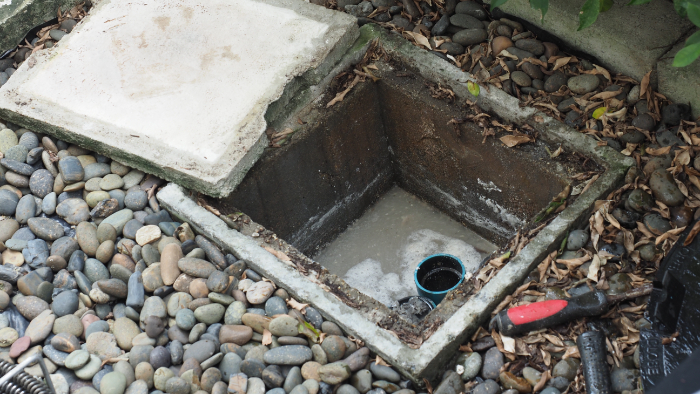
A persistently wet patch in otherwise dry weather, soil washing into a chamber or a new depression along a suspected drain route should be assessed. Rainwater, leaking water supplies and ground movement can produce similar signs, so avoid treating surface damage as a diagnosis of drain failure.
If paving is unstable, keep people and vehicles away until it has been assessed. An engineer may combine CCTV with locating equipment or other tests to identify the affected section. Photographs and dates help establish whether the surface problem changes after heavy rainfall or normal household water use.
What recent regional figures tell homeowners
United Utilities reported in December 2025 that around 60% of blockages could be prevented through changes to what households flush or pour away. It also estimated spending about £10 million annually clearing blocked sewers and drains. These are regional figures, not the chance that your property's pipe is damaged. Source: United Utilities, December 2025.
The practical lesson is to separate maintenance problems from structural ones. Better disposal habits can prevent avoidable deposits, while a documented survey can explain why a particular drain keeps failing despite sensible use. Neither approach should be sold as a substitute for the other.
What to do before booking the inspection
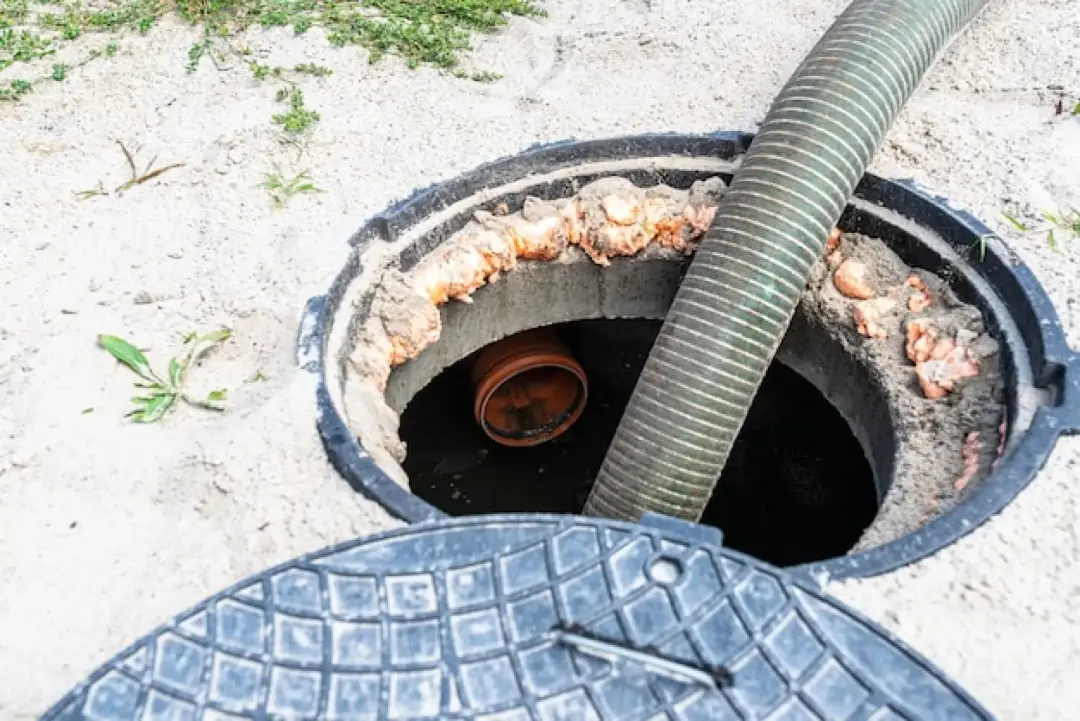
List the affected fixtures, previous clearances and any building work near the pipe route. Make accessible inspection covers available without attempting to lift heavy or unsafe covers yourself. Ask whether the quotation includes footage, a drain plan, findings and repair recommendations, rather than assuming every camera visit provides the same deliverables.
Sewage escaping into a home needs prompt attention; do not wait for a routine survey appointment while continuing to use affected fixtures. For suspected shared or public sewer problems, establish responsibility with the wastewater company. The property's owner may be responsible for private drains, while other sections can belong to the network operator.
Summary
Recurring symptoms are a reason to find out what is happening inside the drain, rather than pay for the same short-lived clearance again. Clenston Ltd provides CCTV drain surveys in Manchester to investigate accessible pipework and advise on the next step.