What is a CCTV drain survey and how does it work? Find out how this vital inspection uses cameras to detect leaks, cracks, roots, and blockages in your drainage system.
When is a CCTV drain survey needed?
In the UK, you'll usually need a CCTV drain survey if you're dealing with issues like slow-draining sinks, frequent blockages, gurgling toilets, or bad smells that keep returning even after a rodding or jetting service. A drain survey can find the real cause of the issue and help you choose the right repair method.
A drain survey might also be needed when you're buying a home. Drain issues can be hidden, and repairing them can be expensive. A drain survey can help you understand the condition of the drain system before you commit to buying the property. Landlords and property managers can also arrange these surveys when tenants report ongoing drainage problems.
You may also need a drain survey before doing any building work, such as adding an extension or building a driveway. The survey can help you map out the drain routes and check for any signs of damage. Finally, if you suspect there's a pipe leak, subsidence, or drain damage after a flood, a CCTV drain survey can help confirm what has happened and what needs fixing.
Problems a CCTV drain survey can find
A CCTV drain survey can find many hidden drain problems using a small camera to look inside the pipework. One of the most common drain problems is a blockage. The camera can show build-ups of fat, grease, food waste, wet wipes, and limescale, and it can also find trapped items, such as children’s toys or bits of building rubble, which can cause slow draining and repeated clogs.
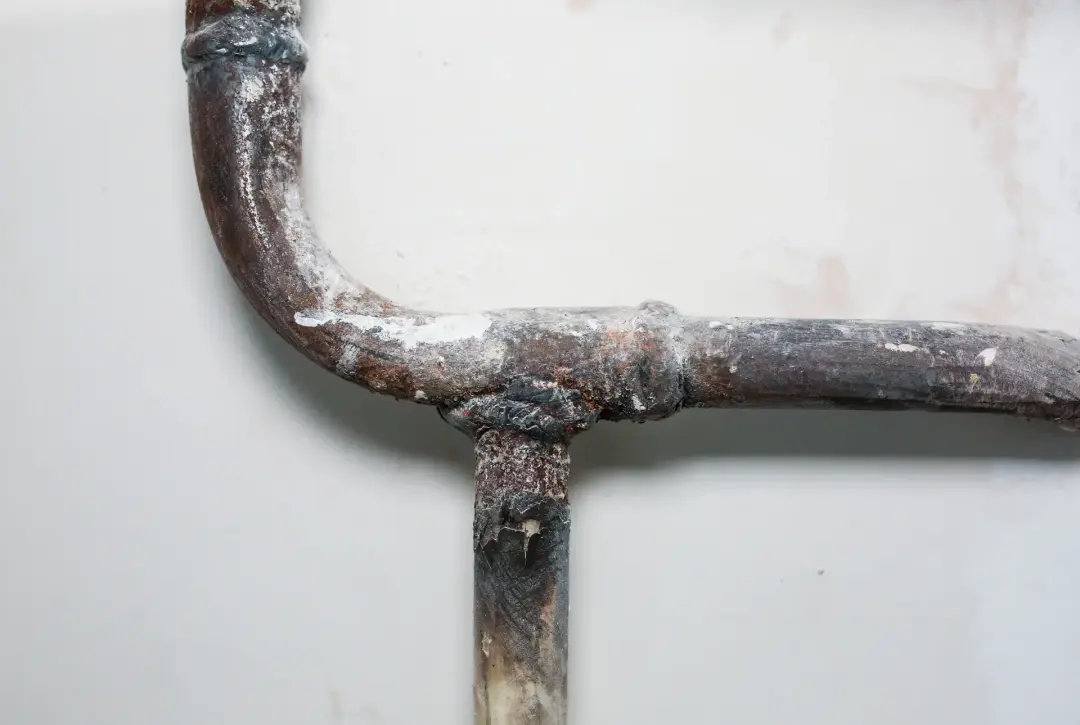
A drain survey can also find pipe damage, such as cracks, fractures, and holes that can let water leak out and let soil wash in. In the worst-case scenarios, these issues can cause the pipe to collapse, which can cause serious back-ups and even ground movement.
Tree roots are another big drain issue, especially in older properties and homes with gardens. Tree roots can enter the pipes through tiny gaps in the joints, grow inside the pipe and trap debris.
Over time, this can cause frequent blockages or broken pipework. A CCTV drain survey can show where the roots have entered from and how far they have spread.
Poor pipe joints and bad connections can also be found using a drain survey. Pipes can shift over time due to ground movement, which can cause the joints to become misaligned. This can create small steps inside the pipe, which can trap waste and form blockages.
A CCTV drain survey can also highlight dips in the pipe (often called “bellies”). These are low points in the pipes where water can sit instead of flowing away, which leads to standing water. Standing water can cause bad smells, sludge build-ups, and repeated blockages, even if the pipe isn't fully blocked.
The equipment used during the survey
The main piece of equipment that's used in a CCTV drain survey is a camera system. This includes a small, tough camera head with bright built-in lights. The lights are important because drains are dark, and clear lighting can help the surveyor see any cracks, roots, and build-ups. The camera is attached to a flexible push rod or cable so that it can travel through the bends and along the pipe runs.
A control unit and monitor are also used to view the live video. This lets the surveyor see what the camera sees in real time and pause the feed to inspect anything unusual. Most systems can also record the footage and take still images, which is useful for reports, insurance claims, or showing a homeowner the exact problem and where it is in the pipe.
Many surveyors also use a locator (sometimes called a sonde) and a receiver. The sonde is a small signal device that's fitted near the camera head, and the receiver is held above the ground. Together, they help the surveyor find the camera’s position from the surface. Cleaning tools can be used before or during the survey as well. High-pressure water jetting equipment can be used to clear soft blockages, wash away grease, and remove loose debris so that the camera can see the pipe walls properly.
How the camera inspection works
During a CCTV drain survey, the camera inspection is the main part of the work. The camera carefully inspects the inside of your pipes using video footage to spot faults without digging. This helps surveyors find the real cause of problems like blockages, bad smells, or slow drainage.
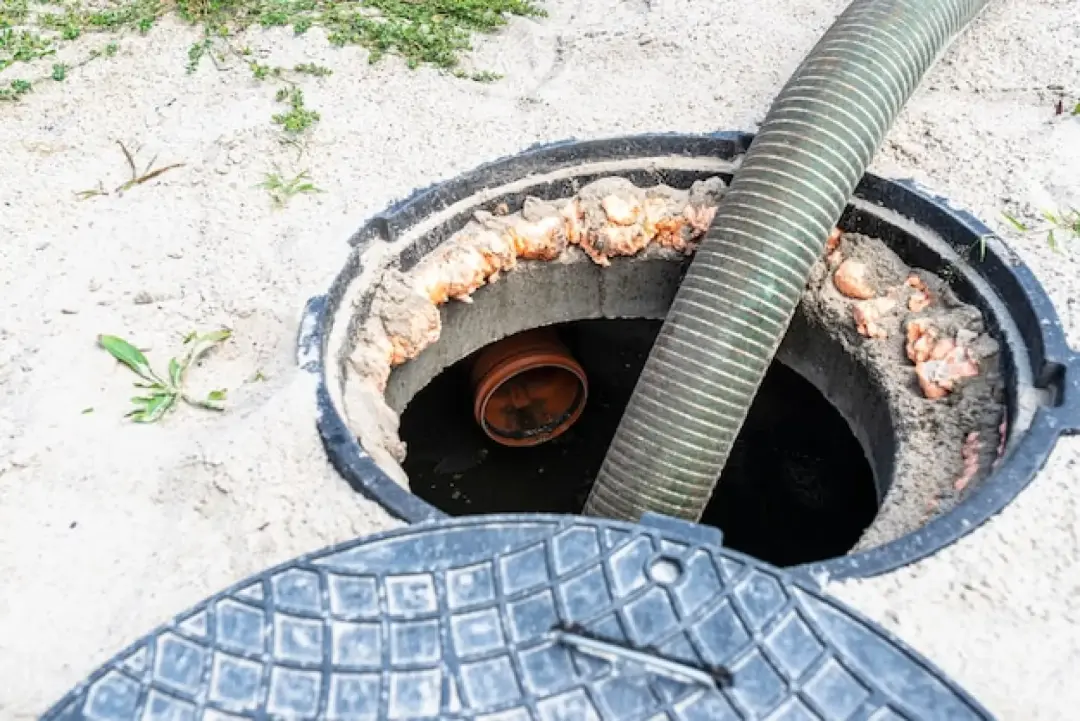
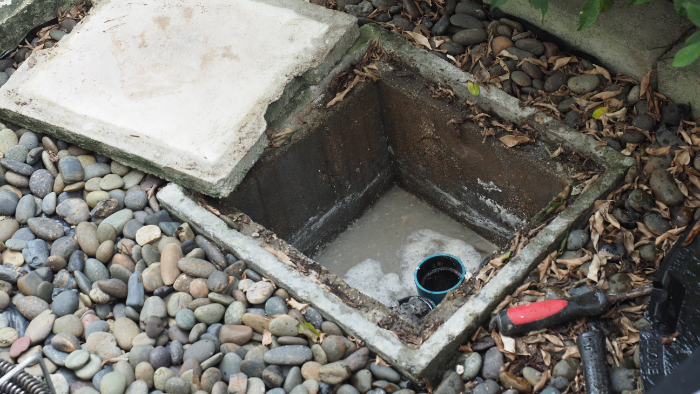
The process usually starts with choosing the access point. This might be a manhole, an inspection chamber, or a rodding point. The surveyor will lift the cover safely, check that the area is suitable to work around, and, in some cases, clean the drain first using high-pressure water jetting. This is done to wash away any grease, sludge, and loose waste so that the camera can see into the pipes clearly.

Next, the surveyor will feed the camera into the drain. The camera head is small and strong, and has bright lights attached to it. The camera is attached to a flexible rod or cable, which allows it to travel through the pipes, and as the camera moves forward, it will capture live video footage.
The surveyor will watch the footage closely, look for any signs of trouble - including cracks, holes, displaced joints, dips, roots and build-ups that could lead to blockages. The surveyor may stop and rotate the camera to get a better view of any problem areas, and many camera heads can pan and tilt, which helps surveyors check the full width of the pipe, not just straight ahead.
The camera system often uses distance markings on the cable and a locating tool to work out where any issues are. The cable markings show how far the camera has travelled from the entry point, and if the camera has a built-in signal device, the surveyor can track its position from the surface using a handheld receiver. This helps pinpoint where the issue is so that repairs can be planned with less disruption.
Clenston Ltd provides CCTV drain surveys in Bury, Whitefield, Prestwich and Manchester. We help find blockages, cracks, root entry, and other hidden faults in your pipes. We provide clear reports and practical advice to help you avoid repeat drainage problems.