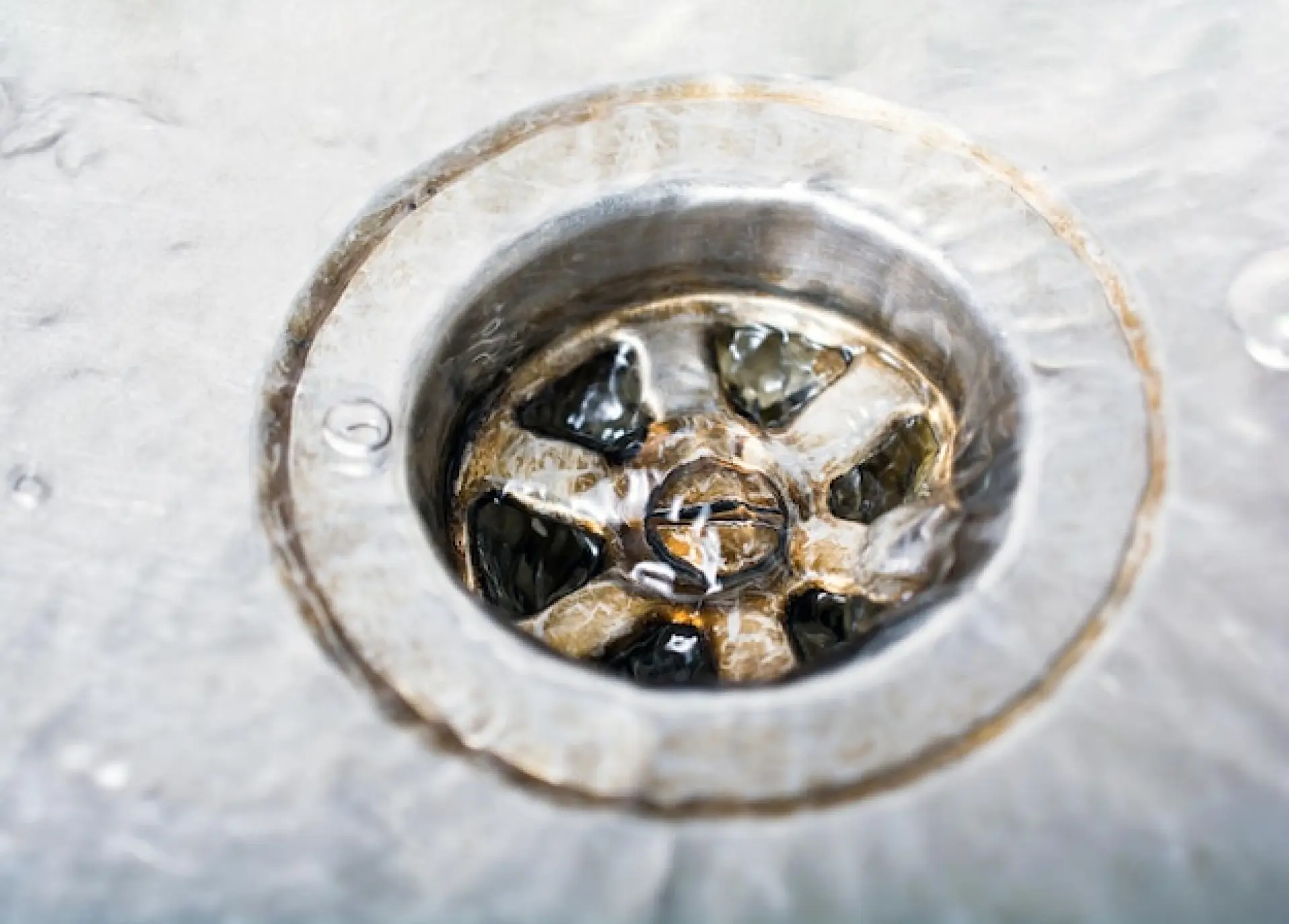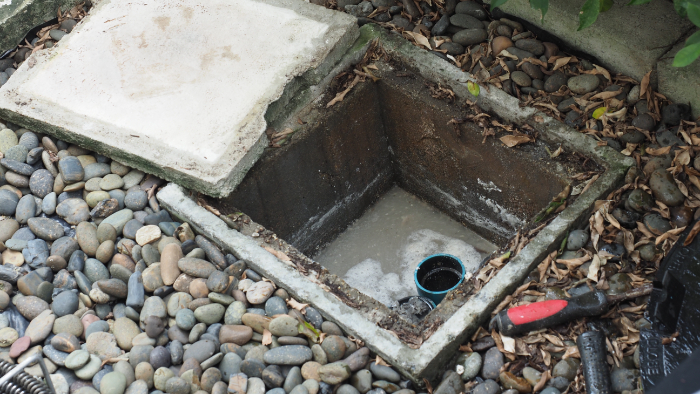
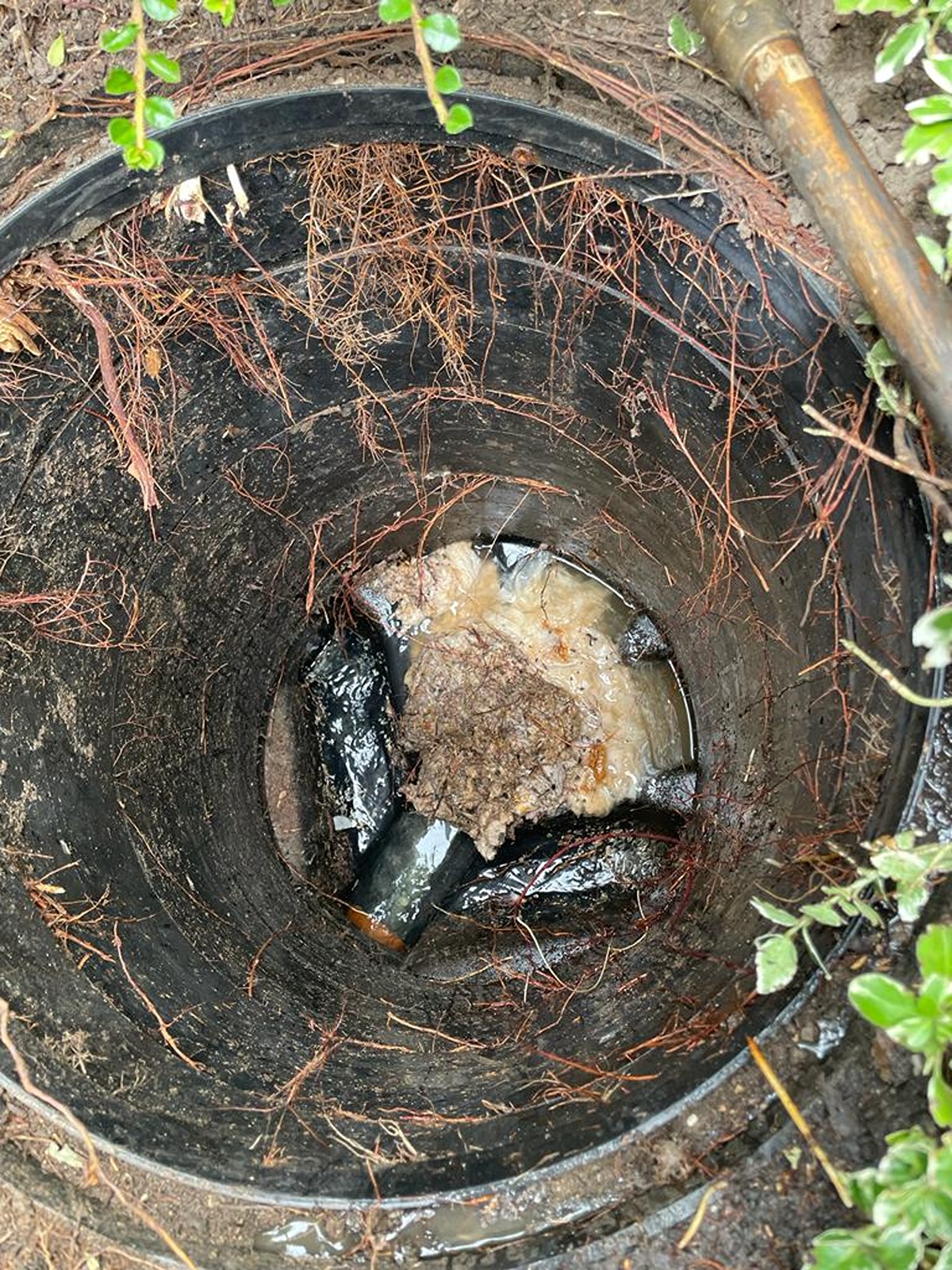
Landlords should consider a CCTV drain survey when drainage faults recur, several tenants report related symptoms, or hidden pipe damage needs investigating before repairs. There is no single survey interval suited to every rental home. The decision should follow the property's condition, repair history and the seriousness of the reported problem.
Respond when a tenant reports a recurring problem
A second or third blockage on the same run is a reason to review the cause, rather than keep commissioning identical clearances. Ask the tenant which fixtures are affected, when symptoms occur and whether wastewater has escaped. Arrange urgent attendance when sanitation cannot be used safely.
Do not require a tenant to diagnose an underground fault before taking their report seriously. An initial visit may identify a simple fitting problem; CCTV becomes useful when the cause remains uncertain or structural damage is suspected. Keep a record of the complaint, attendance and agreed follow-up.
Understand repair duties before allocating costs
GOV.UK guidance lists pipes and drains among the sanitary installations for which landlords are responsible. Liability for a particular blockage can depend on the cause, tenancy and affected pipe section. A camera finding should inform that assessment rather than become an automatic tenant charge. Source: GOV.UK, private renting repairs.
If the disputed issue is misuse, ask for evidence of the obstruction and its location. A cracked clay pipe or displaced joint calls for a different response from an accessible trap containing household debris. Obtain appropriate advice where responsibility is contested, without delaying action needed to restore essential drainage.
Use tenancy changes to review unresolved faults
An empty property can make access easier, particularly where several internal areas or external covers need checking. Review the outgoing tenant's repair history and any recurring smells or slow drainage noted during inspection. A change of occupant alone does not prove the drains need a camera survey.
This is a sensible point to investigate an unresolved pattern. The English Housing Survey for 2024–25 counted 4.7 million privately renting households in England, or 19% of households; the chapter was updated in July 2026. These figures describe the sector, not drainage failure rates. Source: English Housing Survey.
Investigate shared complaints and uncertain ownership
In a converted house or block of flats, problems in more than one unit may point to a shared section. Record which households are affected before asking each tenant to arrange separate work. The freeholder, managing agent or wastewater company may need to coordinate access and responsibility.
Check ownership with the relevant wastewater company before authorising a private repair to a shared or off-site section. Drainage arrangements and exceptions can affect responsibility. A survey can help map connections, but footage alone is not a legal determination of ownership or an instruction to charge a particular household.
Plan inspections around building work and purchases
Consider a survey before committing to a rental investment where there is a known history of flooding, repeated blockages or uncertain underground drainage. Obtain evidence while there is still time to investigate defects and account for repairs. A routine valuation should not be assumed to include this work.
Extensions, new hard landscaping and changes to drainage connections can justify checking relevant runs. Confirm separate water-company permissions needed for work near public sewers. A camera inspection does not itself grant permission to build over, alter or connect to a sewer.
Arrange access and retain a proper repair record
Agree access with the tenant and explain which areas the contractor needs. GOV.UK says landlords must normally give at least 24 hours' notice and attend at a reasonable time, except for emergencies requiring immediate access. Coordinate restrictions on using affected facilities. Source: GOV.UK, access guidance.
Request footage, a plan where appropriate, limitations and prioritised recommendations. After repair, retain completion evidence with the original findings. This gives the managing agent and future contractors a useful history, and helps establish whether a later complaint concerns the same defect or another part of the system.
Summary
Arrange a survey when it will resolve a specific uncertainty: repeated faults, suspected damage or unclear connections. Clenston Ltd can investigate accessible drains in Manchester and provide findings to support the landlord's repair decisions.